A New Cochrane
I'm not asking for much

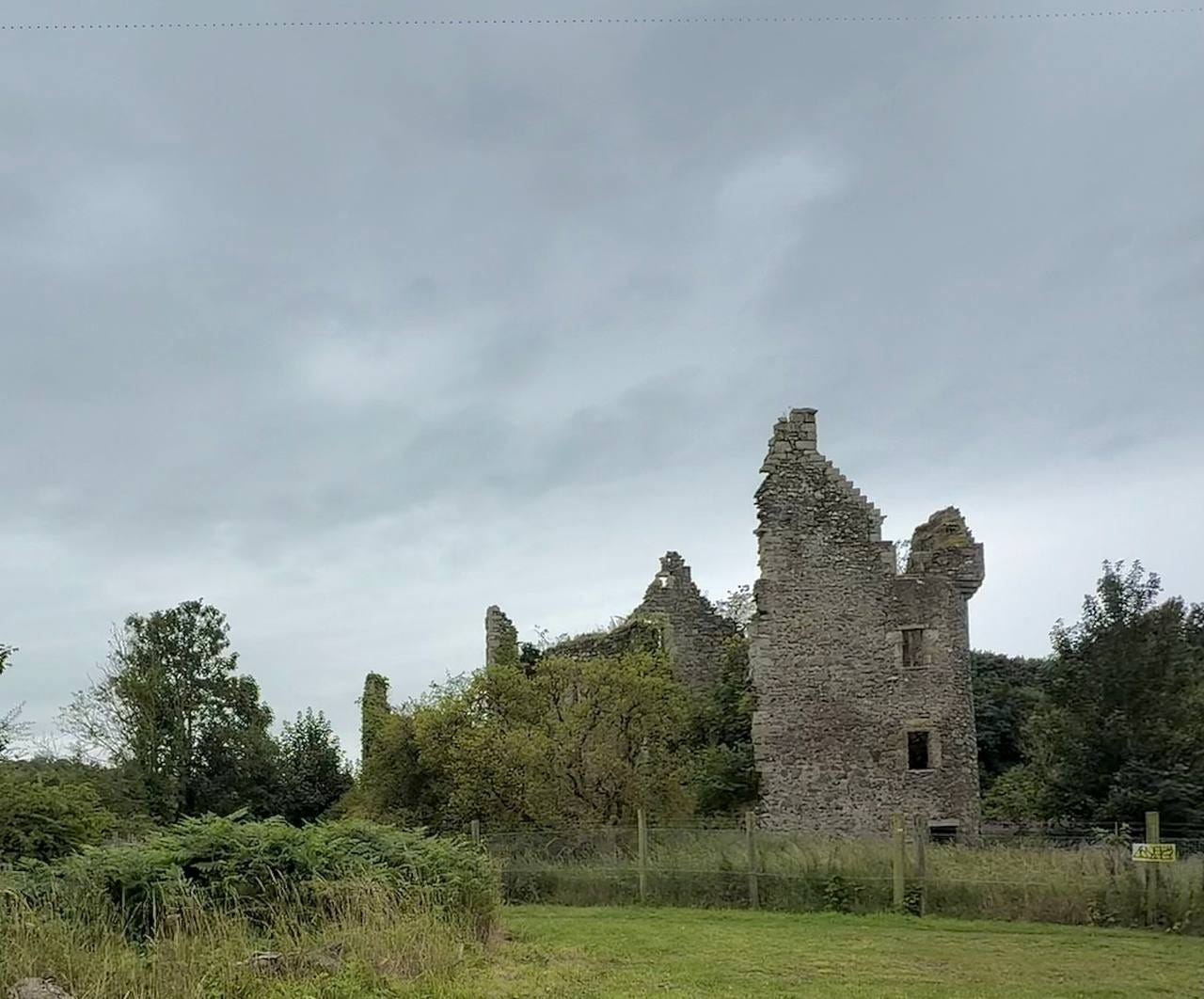
On Saturday I walked the Smugglers’ Way from Dundonald Castle to Auld Auchans, the ruined house of the Cochranes, and stood before a high steel fence topped with barbed wire and hung with danger notices. It seemed the right way to meet him again. Thomas Cochrane, tenth Earl of Dundonald, spent his whole life on the wrong side of official barriers, and one of the greatest of my boyhood heroes has not lost his power to make the fences of the present look contemptible.
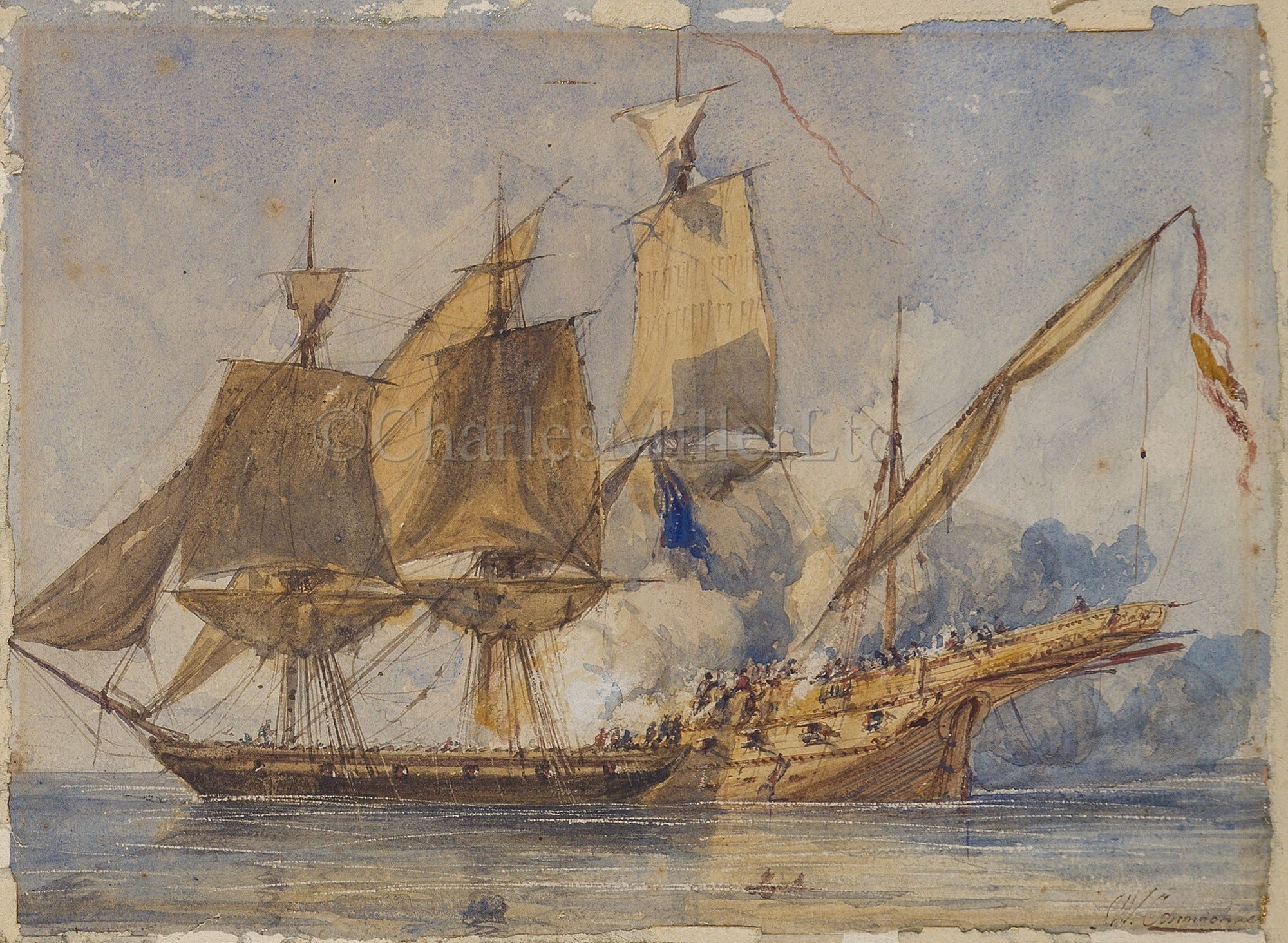
Consider the man behind that wire. In 1800 the Admiralty gave the young Lord Cochrane the Speedy, a brig so small that her captain, who stood well over six feet, could only shave by poking his head through the cabin skylight and setting his mirror on the deck. She carried fourteen four-pounders, guns a boy could lift, and fifty-four men. With this floating apology he terrorised the Mediterranean. He sailed her disguised as a Danish trader with a “plague ship” quarantine flag to wave off boarders. He floated a lantern on a barrel and let a Spanish frigate chase the light all night while he slipped away in the dark. And in May 1801, off Barcelona, he did something that still defies belief. He ran the Speedy straight at El Gamo, a Spanish xebec-frigate of thirty-two guns and three hundred and nineteen men, locked his rigging into hers so close that her great broadside fired harmlessly over his head while his own little guns, elevated, fired up through her decks, and then he boarded her with almost every man he had. He left his surgeon, the last soul remaining, alone at the Speedy’s helm. His first lieutenant, William Parker, went over the side with the boarders and was carried out of the fight with a cutlass slash to the thigh and a pistol ball in the chest. When the Spanish colours came down, Cochrane had lost three men killed and eight wounded, and stood on the deck of a prize whose unhurt prisoners outnumbered his entire crew five to one. Three dead, to take a frigate. That is not luck. That is a mind that had already fought the battle a hundred times before the first gun spoke. (I’m thinking of writing a short monograph on HMS Speedy, quite the tackle that a few lengths of English oak can tell).
The pattern of his war was set there. Brilliance afloat, and betrayal from above. It began at once, over Parker. Custom entitled a first lieutenant to promotion after such an action, and Cochrane pressed his wounded officer’s claim. The Earl St Vincent refused it, on the extraordinary ground that too few of the Speedy’s men had been killed. Cochrane replied that fewer still had died aboard St Vincent’s own flagship in the battle that gave the Earl his title. It was true, it was unanswerable, and it cost them both. Parker’s promotion was strangled for years to spite the captain, and the captain never learned to let an injustice pass in silence, which is why I love him and why the Admiralty did not. In 1809 his fireships and explosion vessels, his own invention, shattered the French fleet in the Basque Roads and drove it aground in panic. It lay there helpless for the taking, and Admiral Gambier, safe with the main fleet, declined to close and finish it. A lesser man would have swallowed the vote of thanks and taken his share of the glory. Cochrane, by then Radical MP for Westminster, stood up in the Commons and opposed the thanks to his own commander-in-chief. The establishment closed ranks, acquitted its admiral, and never gave Cochrane a British command again while the war lasted. He knew the price before he stood up. He had paid it once already, over Parker. He stood up anyway. In Parliament he was the same man he was on a quarterdeck, hunting the prize-court parasites and the sinecure men with names and figures, making enemies with the method other men reserve for making friends.
He would not compromise on anything, and least of all on love. His rich uncle had a bride picked out for him, an heiress whose fortune would have restored the family. Cochrane eloped instead to Gretna Green with Katherine Barnes, an orphan without a penny to her name, because he loved her, and he let the inheritance go without a backward glance. Kitty repaid him with half a century of devotion, following him later across the Atlantic and around the Horn, and there are worse tests of a man than the wife who never left him through disgrace, exile and vindication.